Video
Alexandra Mawimbi — Visual Artist
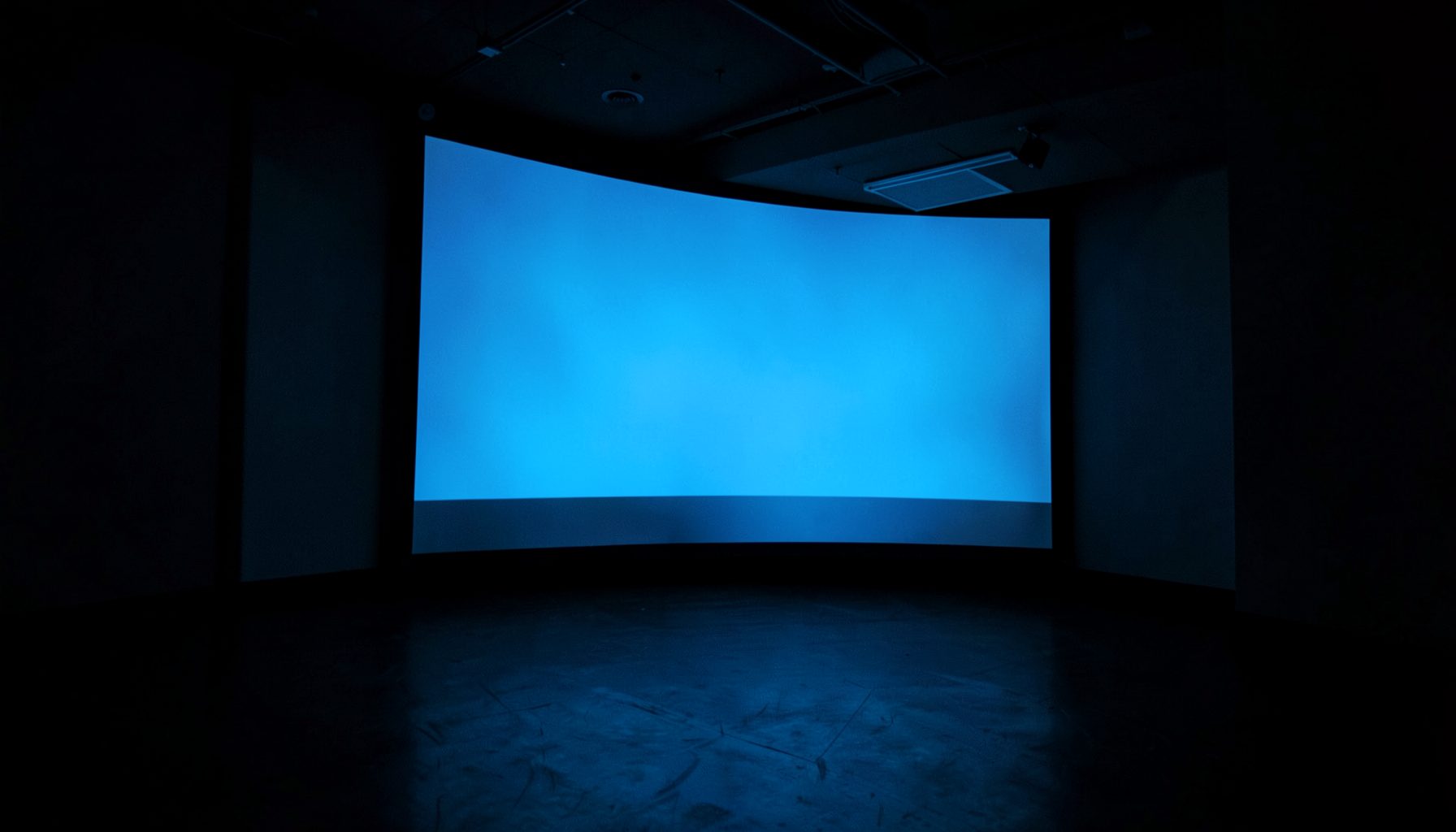
Selected Video Works
Click on text to view video clips.
- Mourning a Living Man 2013
- Prison Sex II 2009
- On Fait Ensemble 2010
- Self Portrait 2011
- Fertile 2011
- Is a Poem a Prayer 2018
Video has long been a central medium in Alexandra Mawimbi's practice, offering a space where performance, sound, and moving image converge into a single, durational expression. Her video works often function as living portraits, capturing bodies in states of vulnerability, transformation, and quiet defiance. Rather than treating the camera as a passive observer, Mawimbi positions it as an active participant in the unfolding drama, shaping how the viewer encounters the subject and the emotional weight carried within each frame.
Thematically, her moving-image pieces draw deeply from personal and collective experiences of mourning, desire, and memory. Works such as Mourning a Living Man and Is a Poem a Prayer suggest a sustained engagement with grief as both a private and public condition, while titles like Fertile and Self Portrait gesture toward questions of identity, embodiment, and renewal. These pieces resist straightforward narrative, favoring instead a poetic, associative structure that allows meaning to accumulate slowly across time.
Sound plays an integral role in Mawimbi's video practice, often functioning as more than mere accompaniment. Voice, ambient noise, and silence are carefully calibrated to shape the emotional temperature of each piece, creating an immersive audiovisual field that envelops the viewer. In some works, spoken word and prayer-like utterances blur the line between language and music, inviting the audience into a contemplative space where listening becomes as important as seeing.
The artist's approach to video is deliberately understated and unadorned, mirroring the minimalist aesthetic that runs throughout her broader visual practice. Clips are presented plainly, allowing the content to speak for itself without the distraction of elaborate framing or production gloss. This restraint reinforces an editorial, text-forward tone that prioritizes the raw material of the body, the voice, and the moment over spectacle or technical virtuosity.
Taken together, Mawimbi's video works form a fragmented yet cohesive meditation on what it means to represent the living, the grieving, and the desiring subject. They operate as intimate documents that refuse easy resolution, lingering instead in the spaces between clarity and ambiguity. For viewers, these pieces offer an invitation to sit with discomfort, to witness without judgment, and to consider how moving images can carry the weight of the unspoken.