Installation
Alexandra Mawimbi — Visual Artist
Selected Works
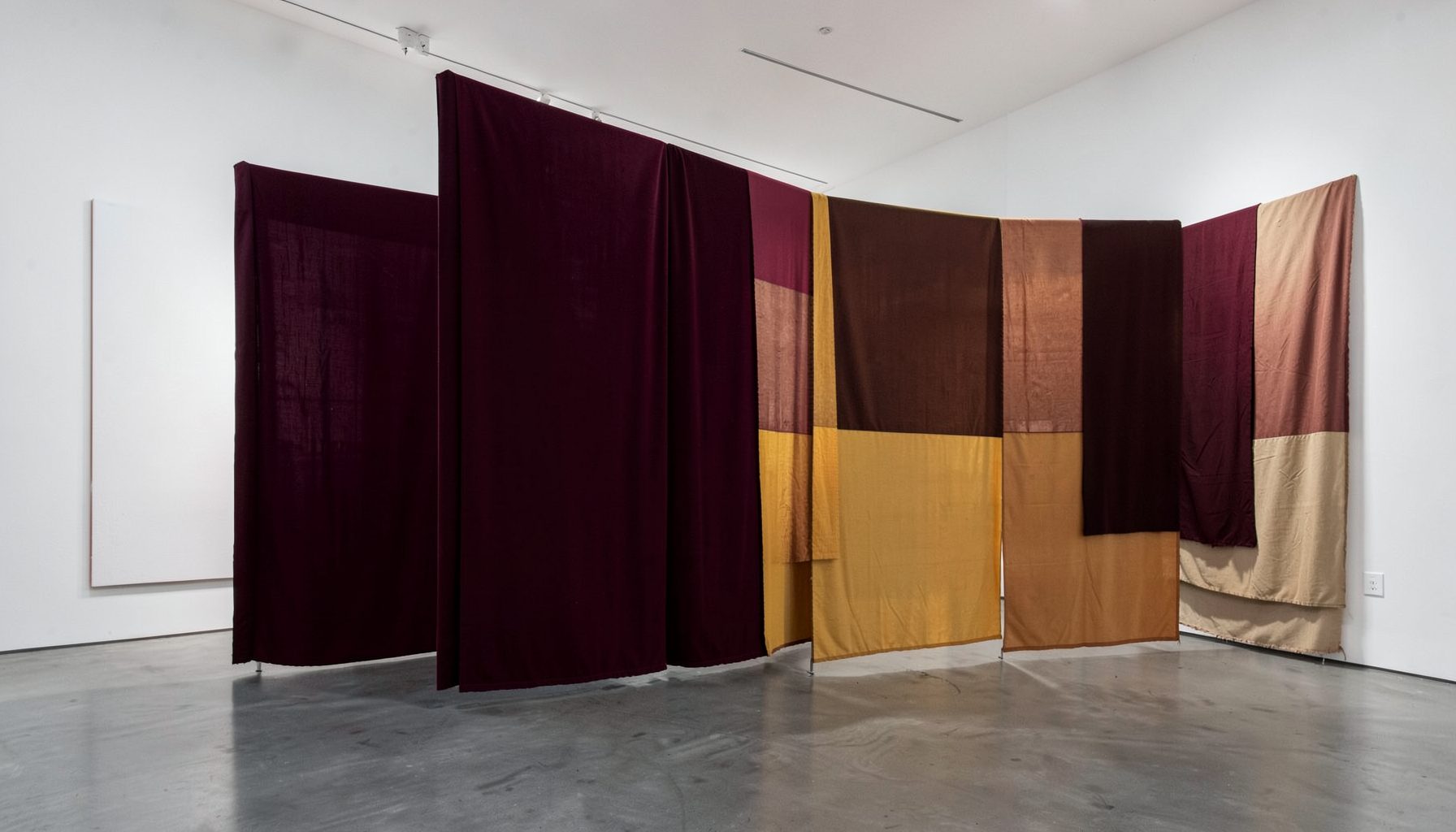
The Armory Show 2016
2016
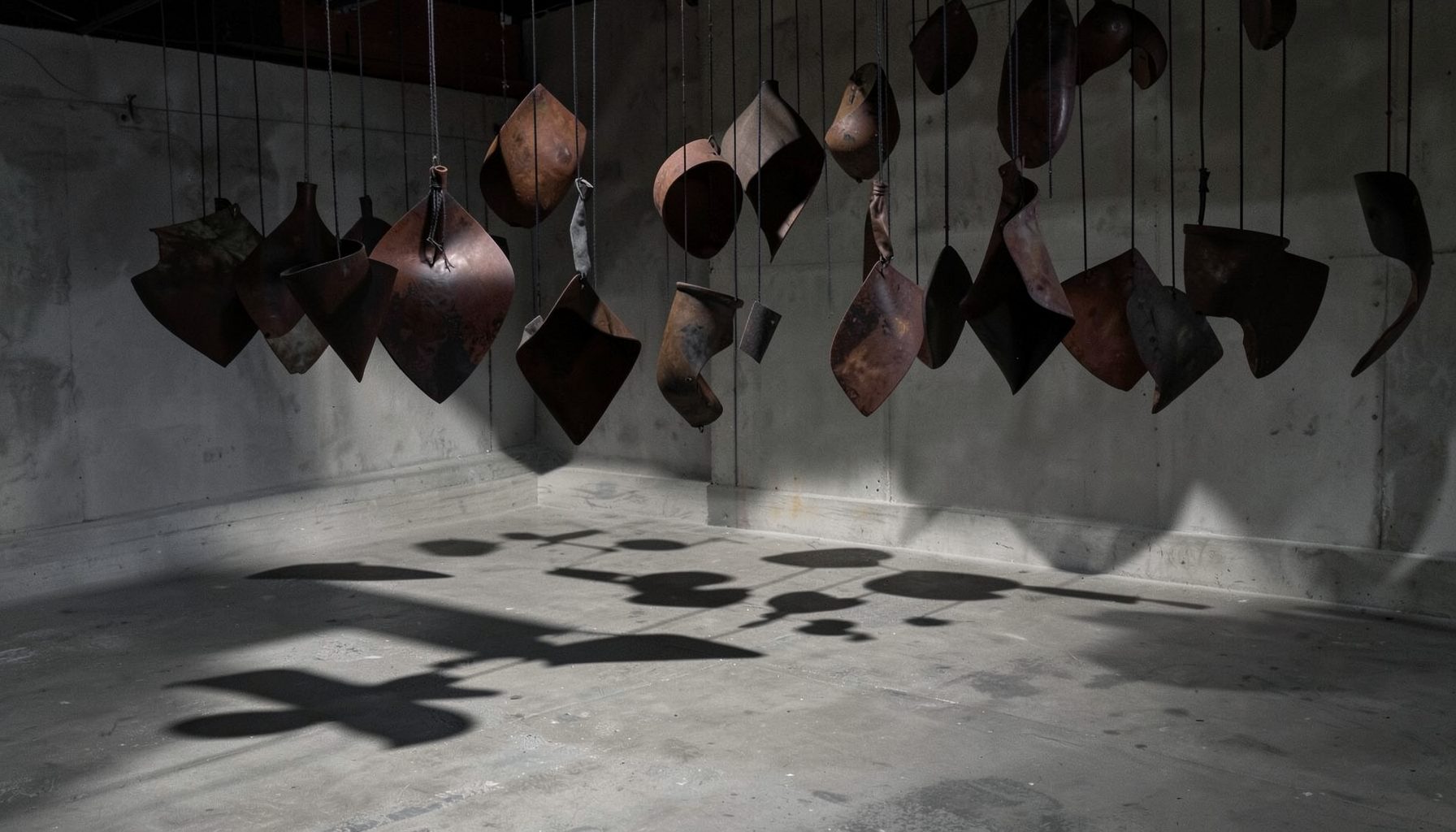
Africa Untitled
2009
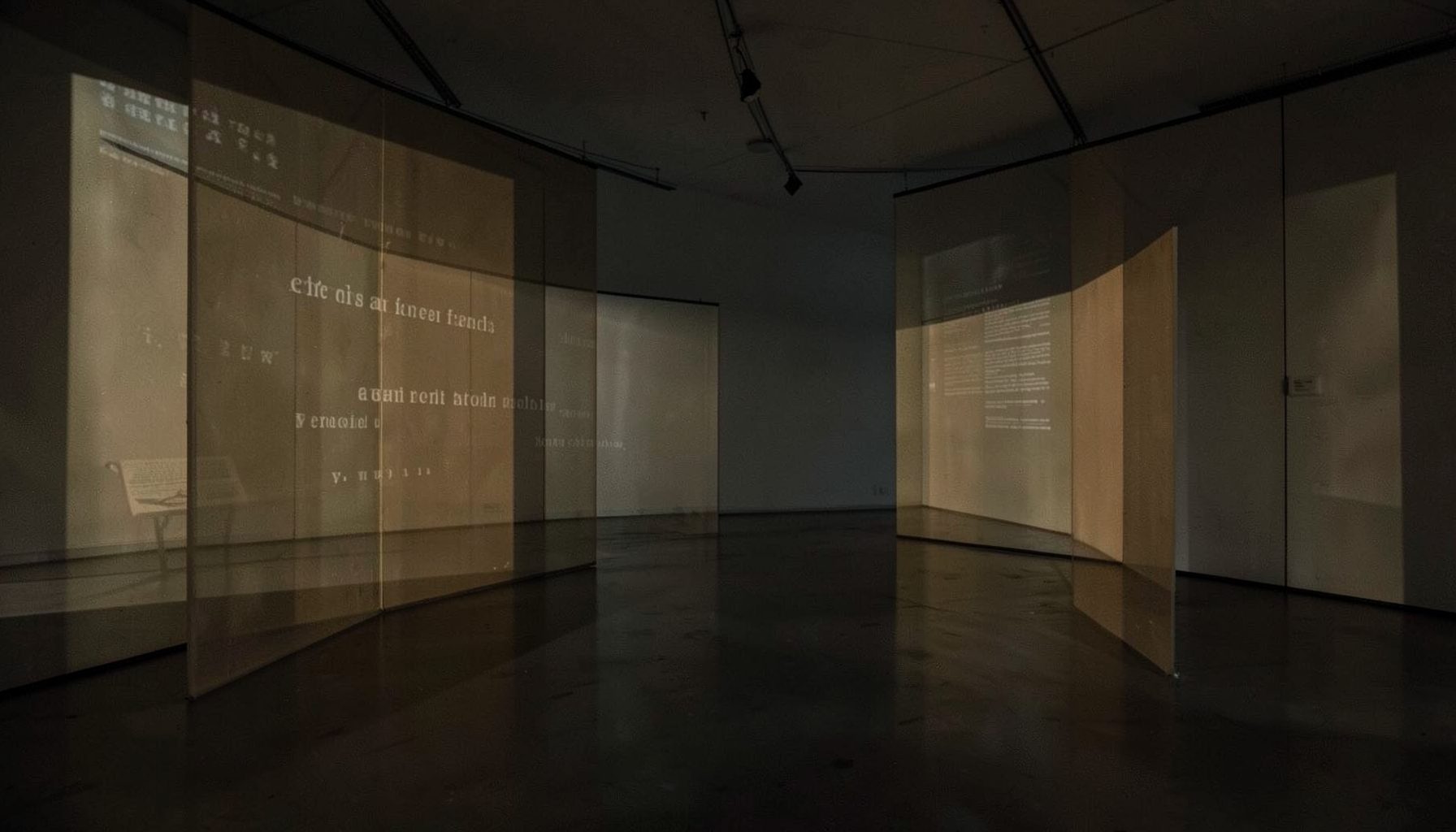
Representation
2014
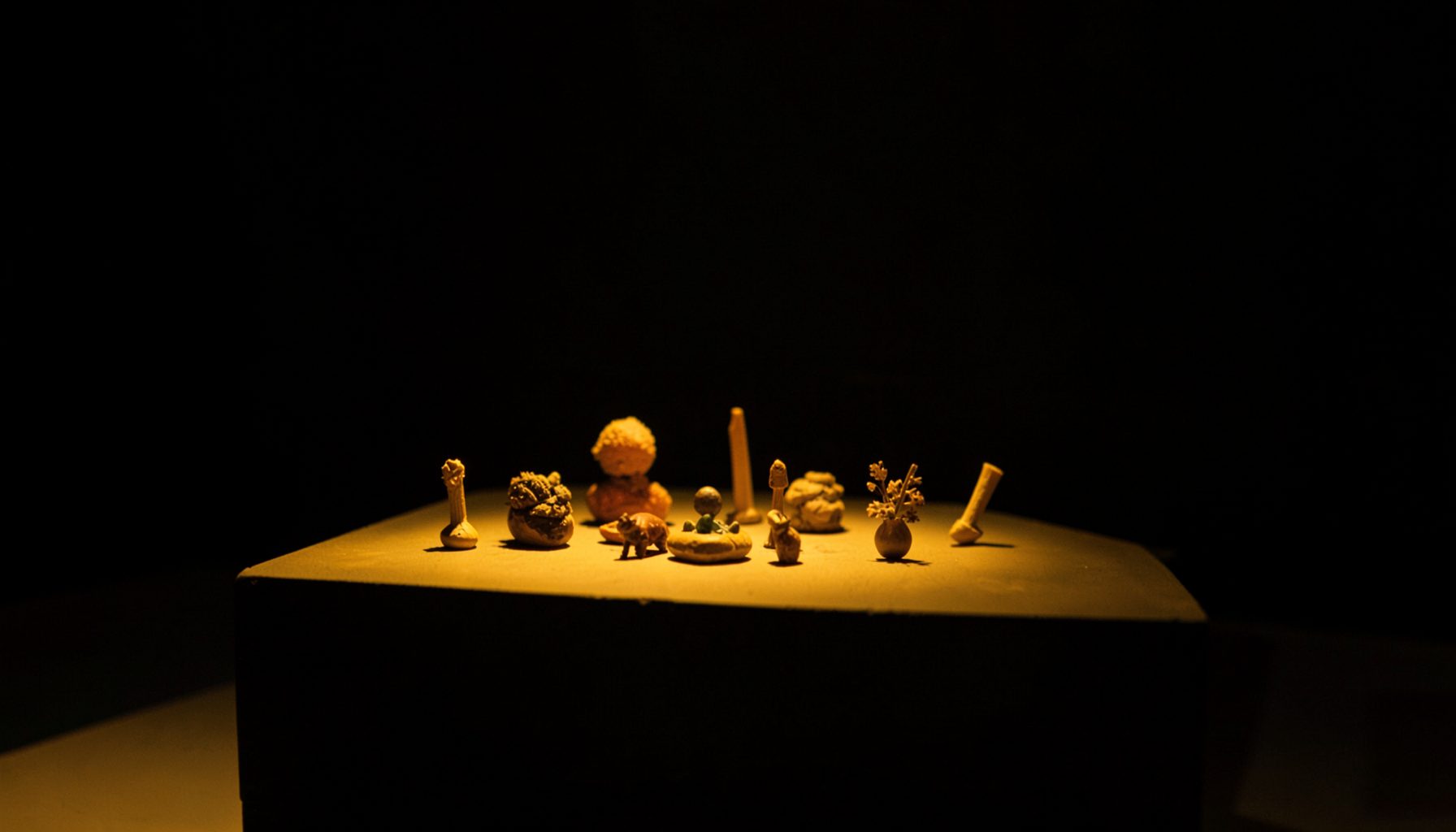
Four-Year-Old Temptress?
2017
About Installation
Installation works form a central strand of Alexandra Mawimbi's practice, bringing together spatial composition, material presence, and the viewer's embodied experience. These pieces occupy gallery and institutional settings, often engaging with questions of identity, representation, and the politics of looking.
From the early work Africa Untitled (2009) through to Four-Year-Old Temptress? (2017), the installations trace an evolving inquiry into how bodies and narratives are framed within exhibition spaces.
Alexandra Mawimbi's installation practice treats space as a living material, one that carries memory, grief, and the weight of representation. Her works do not simply sit within a gallery; they reshape the room around them, asking the viewer to move slowly, to linger, and to reconsider their own position in relation to the objects and images presented. Through sculpture, sound, and video, these installations become environments of contemplation, where personal biography meets broader questions of how bodies are seen, named, and understood across cultures and contexts.
Central to many of these installations is a sustained engagement with identity and the politics of looking. Works such as Africa Untitled and Representation probe how inherited images and language shape perception, while later pieces like Four-Year-Old Temptress? unsettle assumptions about innocence, desire, and the gaze. The viewer is never a passive observer; rather, the installation activates a reciprocal exchange in which meaning is negotiated in real time. By combining found imagery, sculptural form, and sound, Mawimbi constructs layered narratives that resist easy resolution.
Mourning and living are recurring undercurrents across the installation works, threading through the material choices and spatial rhythms of each piece. The artist's engagement with these themes is both intimate and expansive, moving between the personal and the collective, between a single body and the larger structures that frame it. The result is an installation practice that feels urgent and grounded, one that trusts the viewer's capacity for patient attention. Through restraint and precision, these works create room for reflection without ever losing their critical edge.